
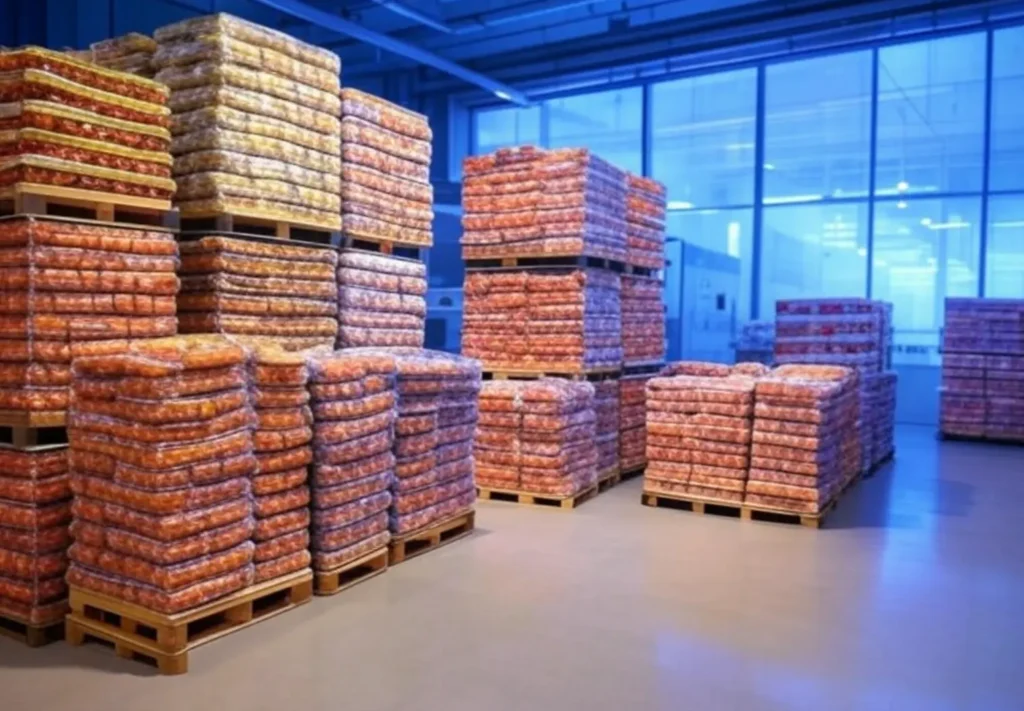
Hey there! Did you know that the global cold storage market is projected to hit $212.5 billion by 2025? That’s a massive amount of chilled space keeping your favorite foods, medicines, and even flowers fresh! I’m here to break down everything you need to understand about cold storage warehouses in a way that’s engaging, easy to digest, and packed with value. Whether you’re looking to optimize your supply chain or just curious about how your groceries stay fresh, this guide has you covered.
First off, let’s get straight to the most valuable info you’re probably searching for: What are cold storage warehouses, and why should you care? These are specialized facilities designed to store temperature-sensitive products—like perishable food, pharmaceuticals, and more—at controlled temperatures. They’re the backbone of the cold chain, ensuring quality and safety from production to your hands. Pretty cool, right?
Here’s a quick snapshot of what you’ll discover in this guide:
| Key Point | Why It Matters to You |
|---|---|
| How They Work | Learn the tech keeping your products fresh. |
| Types Available | Find the right fit for your business needs. |
| Applications | See how industries like yours benefit. |
| Benefits | Boost efficiency and cut waste. |
| Costs | Understand expenses and how to save. |
| Choosing a Warehouse | Pick the perfect facility with confidence. |
| Emerging Trends | Stay ahead with the latest innovations. |
Ready to dive in? Let’s explore the world of cold storage warehouses together and see how they can work for you!
How Cold Storage Warehouses Work
So, how do these warehouses keep your products in top shape? It’s all about temperature control. Cold storage warehouses use advanced refrigeration systems to maintain low temperatures, ensuring that items like food and medicine don’t spoil.
Imagine this: You run a seafood business. Your team catches fresh fish daily. To keep it fresh, you move it to a cold storage warehouse where it’s stored at sub-zero temperatures. Later, it’s loaded into refrigerated trucks and shipped to stores—still as fresh as when it was caught. That’s the cold chain logistics in action, and cold storage warehouses make it happen.
In short, these facilities are your secret weapon for preserving product quality. But how do you know which type is right for you? Let’s find out next.
Types of Cold Storage Warehouses
Not every cold storage warehouse is the same, and that’s good news for you. Depending on what you need to store, there’s a type tailored to your business. Here’s a handy list:
- Refrigerated Warehouses: Keep temperatures between 0°C and 10°C. Perfect for fruits, veggies, and dairy that need cooling but not freezing.
- Cold Stores: Drop below 0°C (think -18°C to -30°C). Ideal for meat, seafood, and ice cream that need to stay frozen.
- Blast Freezers: Rapidly freeze fresh goods at -30°C or lower. Great for locking in the freshness of seafood or produce.
- Controlled Atmosphere Storage: Adjust temperature, oxygen, and humidity. Excellent for keeping apples and other fruits fresh longer.
- Pharmaceutical Cold Storage: Maintain strict ranges like 2°C to 8°C. Essential for vaccines and medicines.
- Modular Cold Storage: Portable and flexible units. Perfect if you need temporary or small-scale storage.
- Cold Rooms: Small, insulated spaces within a facility. Handy for limited storage needs.
Which one fits your needs? If you’re unsure, stick with me—I’ll help you figure it out as we go!
Applications of Cold Storage Warehouses
Now that you know the types, let’s talk about where cold storage warehouses shine. They’re game-changers across industries, and here’s how they can help you:
Food and Beverage Industry
- Perishable Food Storage: Keeps your fruits, vegetables, and dairy fresh for longer.
- Cold Chain Logistics: Ensures safe transport from farm to table.
Pharmaceutical and Healthcare Industry
- Temperature-Sensitive Medications: Protects vaccines and drugs so they work when you need them.
- Regulatory Compliance: Meets strict standards like GDP and GMP—crucial if you’re in healthcare.
Floral and Horticultural Industry
- Preservation of Flowers: Stops wilting so your bouquets stay stunning.
- Extended Shelf Life: Gives you more time to sell or ship plants.
Commercial Applications
- Retail and Wholesale: Keeps products fresh from warehouse to store shelves.
- E-commerce: Manages chilled goods for online orders—think meal kits or frozen treats.
- Export/Import: Maintains quality during long-distance shipping.
No matter your industry, there’s a cold storage solution waiting to make your life easier. Curious about the perks? Let’s dive into those next.
Benefits of Cold Storage Warehouses
Why should you consider cold storage warehouses for your business? The benefits are huge, and they directly impact your bottom line. Check these out:
- Extended Shelf Life and Reduced Spoilage: By keeping temperatures low, you’ll cut waste and keep products fresh longer.
- Flexibility in Inventory Management: Stock up when prices are low and release goods when demand spikes.
- Ensuring Product Quality and Safety: Prevents spoilage and contamination, keeping your customers happy.
- Enhancing Supply Chain Efficiency: Streamlines everything from production to delivery.
Here’s what an industry pro has to say: “Cold storage isn’t just about chilling—it’s about trust and reliability in your supply chain.” And who doesn’t want that for their business?
Cold Storage Warehouse Costs: Key Factors and Optimization Strategies
Let’s talk money. Running a cold storage warehouse isn’t cheap, but understanding the costs can help you save big. Here’s what drives expenses and how you can keep them in check.
Key Cost Factors
| Factor | What It Means for You |
|---|---|
| Construction | Bigger spaces or prime locations cost more upfront. |
| Energy Costs | Refrigeration eats power—efficiency matters. |
| Labor | More staff means higher payroll, unless you automate. |
| Technology | Automation saves time but requires investment. |
| Maintenance | Regular upkeep avoids costly breakdowns. |
Optimization Strategies
Want to cut costs? Try these:
- Boost Energy Efficiency: Use LED lights or solar power to lower bills.
- Maximize Space: Stack goods vertically and zone by temperature.
- Automate: Smart systems reduce labor and energy waste.
- Maintain Regularly: Fix small issues before they become big expenses.
- Look for Incentives: Check for tax breaks on energy-saving upgrades.
- Pick a Smart Location: Closer to suppliers or customers cuts shipping costs.
By tweaking these areas, you can keep your budget in line without sacrificing quality. Ready to pick the right warehouse? I’ve got a checklist for you next.
Choosing the Right Cold Storage Warehouse: Your Checklist
Selecting a cold storage warehouse can feel overwhelming, but it doesn’t have to be. Use this checklist to find the perfect fit for your business:
- Temperature Range: Does it match your product needs? Can it adjust if those needs change?
- Capacity: Enough space now, with room to grow later?
- Location: Near suppliers or transport hubs to save time and money?
- Infrastructure: Modern refrigeration and backup systems in place?
- Compliance: Meets industry standards and certifications?
- Reputation: Good reviews and a solid track record?
Tick these boxes, and you’ll have a warehouse that works as hard as you do. But what’s next for cold storage? Let’s peek at the future.
Emerging Trends in Cold Storage Warehouses
The cold storage warehouse industry isn’t standing still, and you shouldn’t either. Here are the trends shaping tomorrow:
- Automation and Robotics: Robots handle sorting and stacking, saving you time and labor costs.
- Energy-Efficient Tech: Think better insulation and renewable energy—good for your wallet and the planet.
- Blockchain Traceability: Tracks your products’ journey, boosting transparency and trust.
These innovations mean smarter, greener, and more efficient storage. Want to stay ahead? Start exploring these options now.
Conclusion
There you have it—your complete guide to cold storage warehouses! From keeping your products fresh to cutting costs and choosing the right facility, you’re now armed with the knowledge to make smart moves for your business. These warehouses aren’t just buildings; they’re your ticket to a stronger, more reliable supply chain.
So, what’s your next step? Maybe it’s auditing your current storage setup or researching a new warehouse. Whatever it is, you’ve got this. Bookmark this guide, and let me know how it goes—I’d love to hear your success story!
FAQ Section
Q: What is a cold storage warehouse?
A: It’s a facility that stores temperature-sensitive goods like food or medicine at controlled temperatures to keep them fresh and safe.
Q: How do I pick the right cold storage warehouse?
A: Focus on temperature range, capacity, location, infrastructure, compliance, and reputation—use my checklist above!
Q: What are the benefits of cold storage warehouses?
A: You get longer shelf life, less waste, better inventory control, and a smoother supply chain.
Q: How can I lower cold storage costs?
A: Optimize energy, use space wisely, automate where possible, and maintain equipment regularly.