
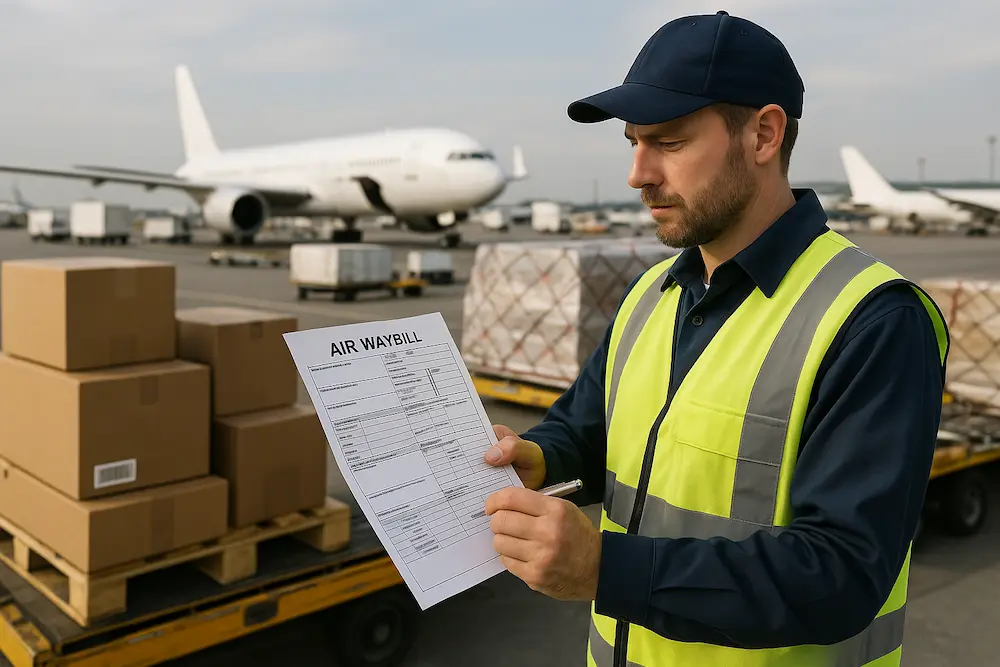
“When your cargo is ready to fly, the last thing you want is a delay caused by a piece of paper.”
In international air freight, your Air Waybill (AWB) isn’t just a document — it’s the key that unlocks fast, smooth, and compliant shipping.
As a packaging expert, I’ve seen how a single mistake on an AWB can cost companies thousands of dollars and days of delay. If you want your shipments to move efficiently across borders, understanding how to use the Air Waybill properly is essential.
In this article, I’ll walk you through everything you need to know about AWBs — step by step — so you can ship with confidence.
1. What Is an Air Waybill (AWB)?

4
If you’re used to sea freight, you might be familiar with the Bill of Lading. But in air freight, the Air Waybill (AWB) plays that crucial role.
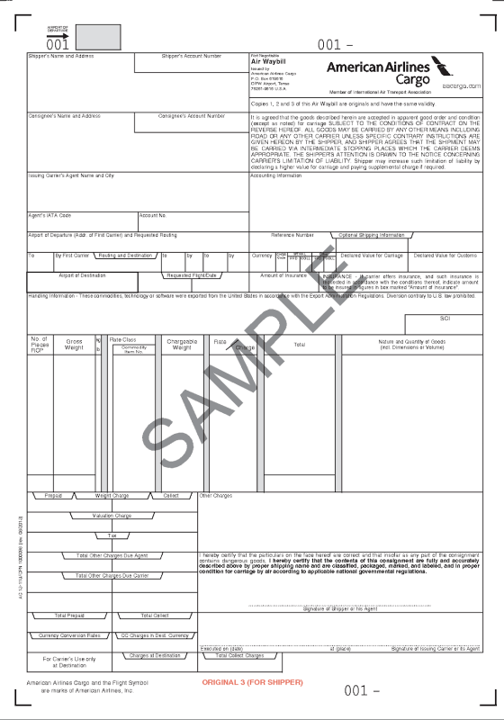
An AWB is a legal transport document issued by an airline or its agent. It is much more than a receipt — it is:
- A shipment receipt confirming that the airline has received your cargo.
- A transport contract between shipper and carrier.
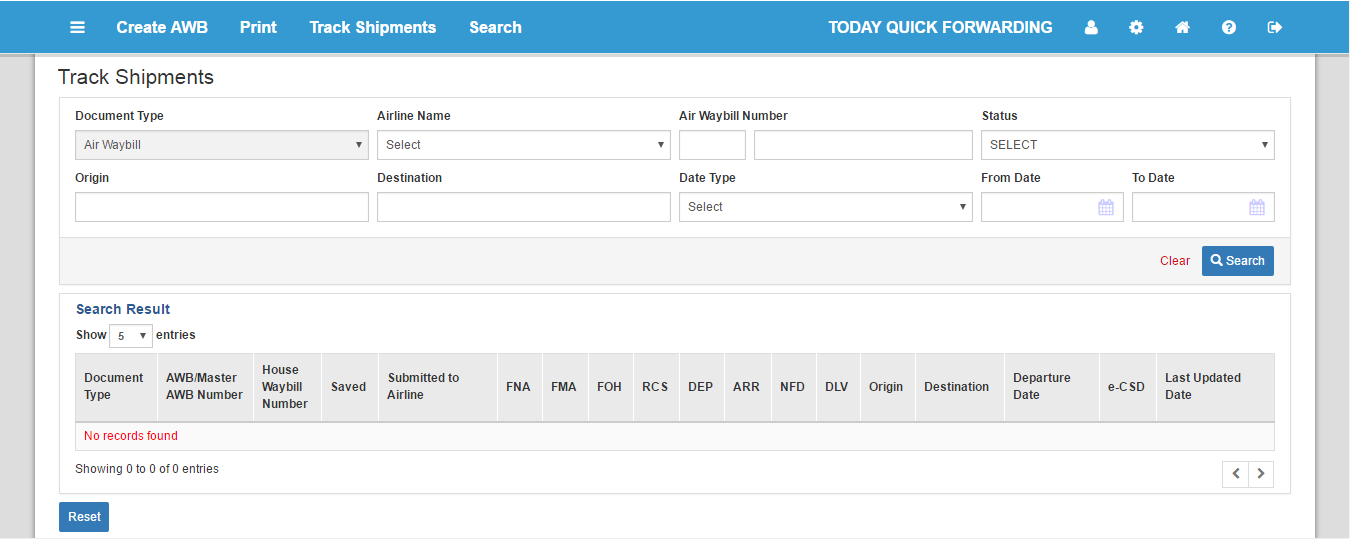
- A tracking tool that lets you monitor your cargo from origin to destination.
👉 With just the AWB number, you can track your shipment, support customs clearance, and speed up billing.
2. The Three Core Functions of an AWB


4
Every AWB serves three critical purposes. Understanding them helps you manage your logistics more effectively:
- Proof of Receipt
Once your cargo is handed over, the carrier issues the AWB as confirmation. - Transport Contract
The AWB records all shipment details, terms, and responsibilities. - Tracking and Customs Clearance
The AWB number lets you track your shipment online and acts as a key document for smooth customs procedures.
👉 If your business ships internationally on a regular basis, mastering these functions will save you time and headaches.
3. AWB vs. Bill of Lading: What’s the Difference?
4
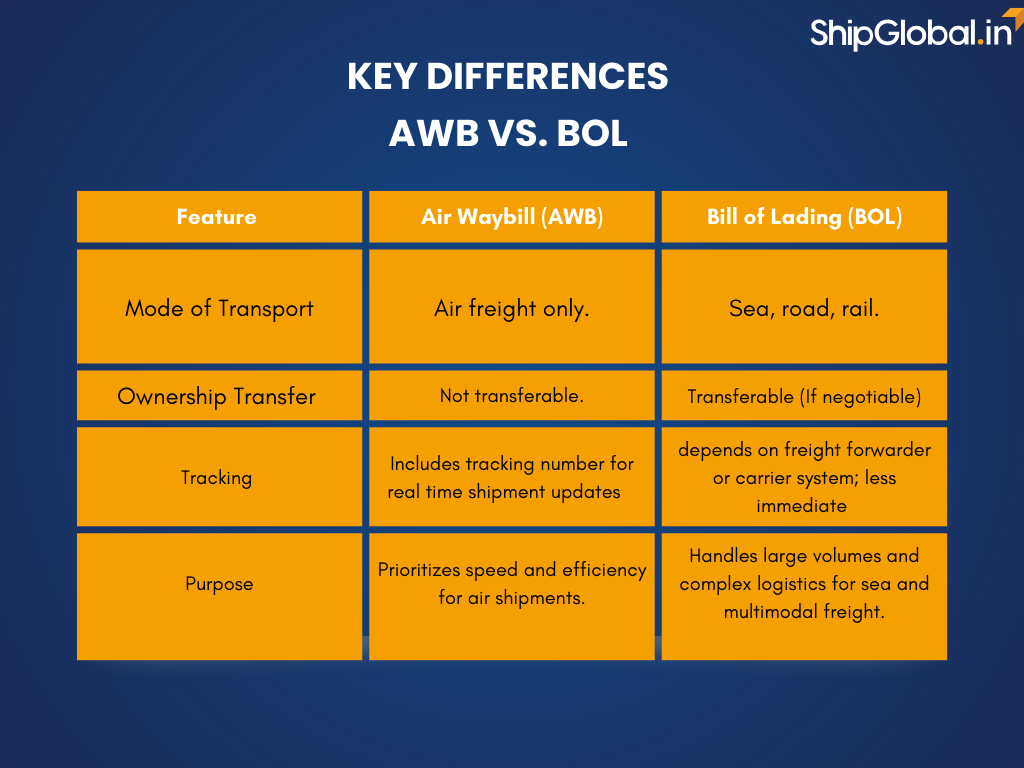
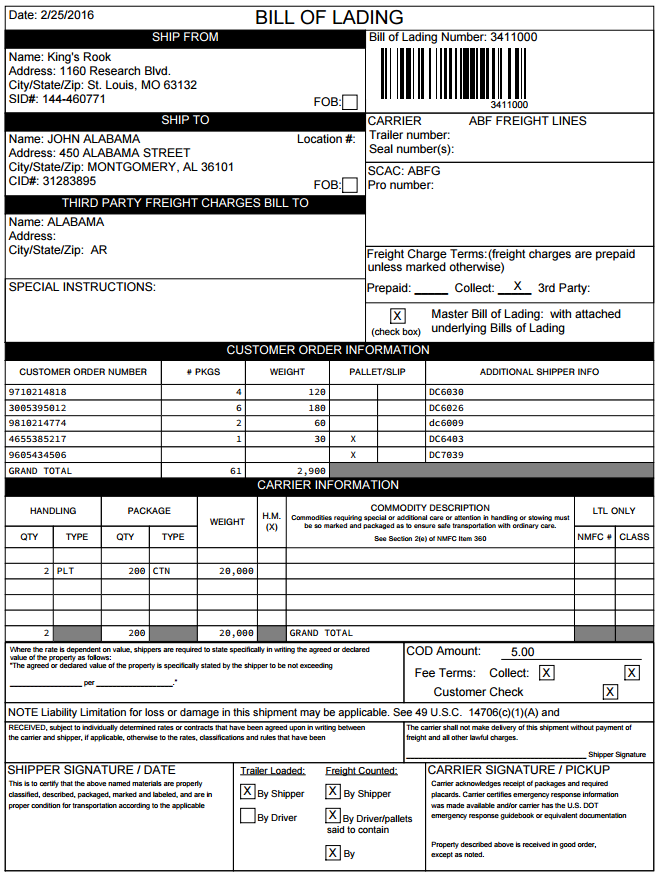
Many companies confuse an AWB with a Bill of Lading (B/L). While both are transport documents, their legal roles differ significantly.
| Feature | Air Waybill (AWB) | Bill of Lading (B/L) |
|---|---|---|
| Legal nature | Non-negotiable | Negotiable |
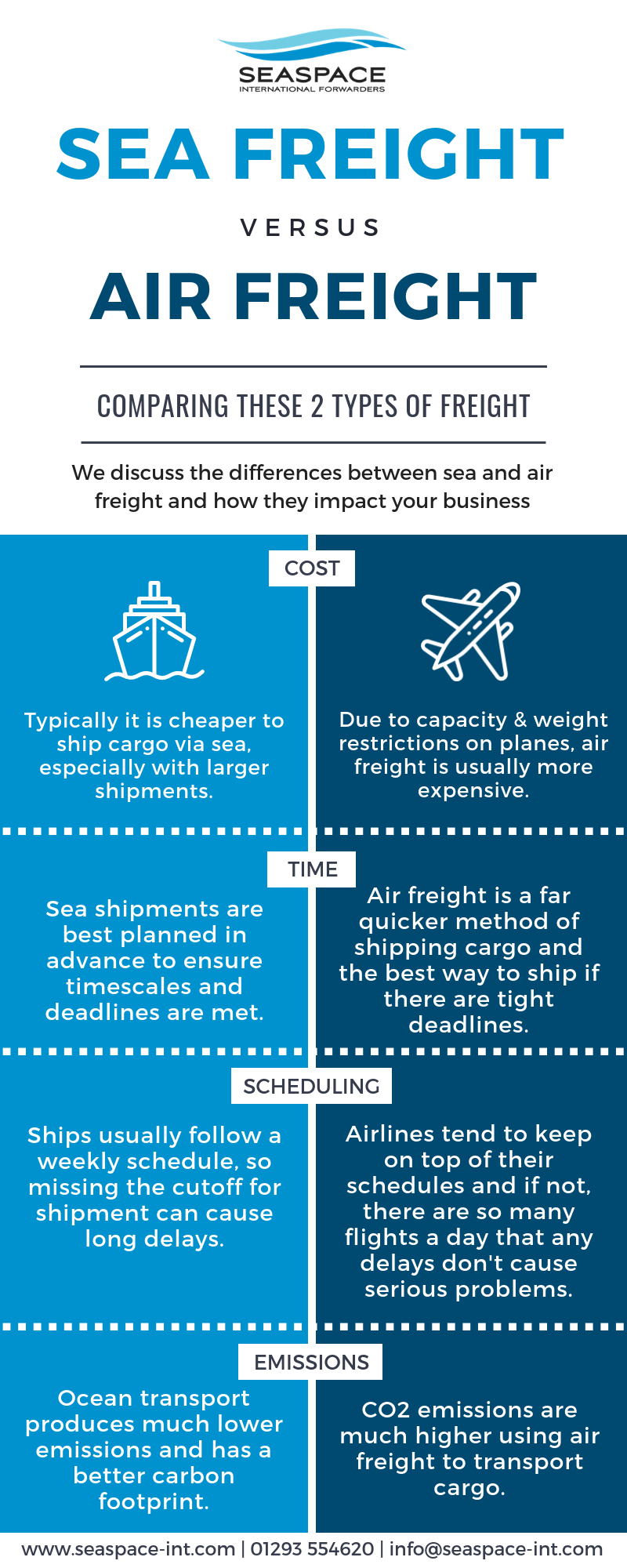
| Mode of transport | Air freight | Sea freight |
| Original copies | Usually one | Several originals |
| Title transfer | Not used to transfer title | Can be used for title transfer |
| Transit time | Fast | Slower |
👉 If you want fast delivery and easy clearance, AWB is your best friend. But if you need to control title or payment terms, B/L may fit better.
4. How an AWB Is Issued and Used

4
The AWB issuance process is straightforward but must be handled carefully:
- Issued by the airline or agent
You provide shipment details; the airline generates the AWB. - AWB Number Assigned
Each AWB has a unique number used for tracking. - Details Completed and Verified
Shipper, consignee, destination, weight, pieces, and terms are filled in. - Signed and Valid
Once signed, the AWB becomes a legally binding contract. - Electronic AWB (e-AWB)
Many airlines now use e-AWBs, reducing paperwork and speeding up processing.
👉 A single typo can delay your cargo or cause customs holds. Always double-check every line.
5. Critical Things You Must Check on an AWB

4
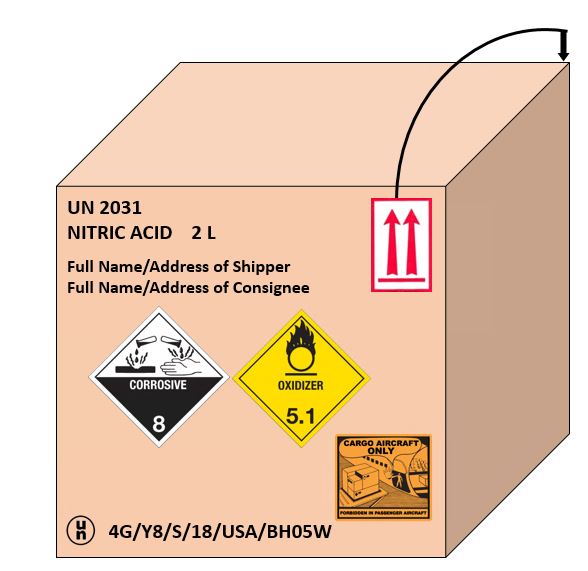
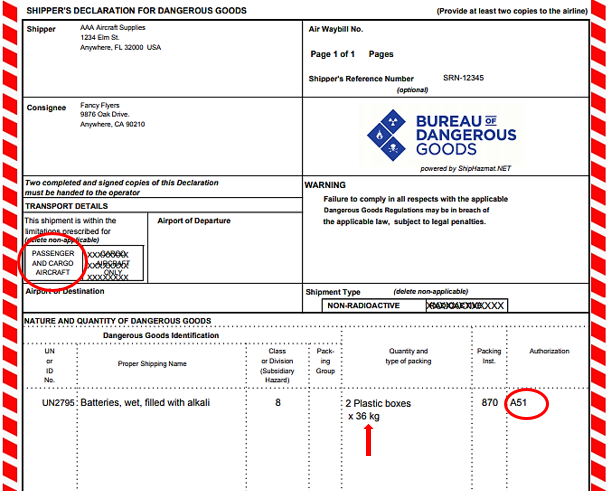
Even experienced shippers can make mistakes with AWBs. To avoid costly delays, pay close attention to:
- ✅ Accurate information — All shipper, consignee, and cargo details must match supporting documents.
- 📦 Packaging and labeling compliance — Follow International Air Transport Association (IATA) standards strictly.
- ⚖️ Weight and piece count — Discrepancies may trigger re-inspections.
- 🛡️ Insurance and liability clarity — Understand who is responsible if something goes wrong.
👉 As a packaging expert, I always recommend using a pre-checked AWB template to minimize errors.
6. The Rise of e-AWB: Why It Matters
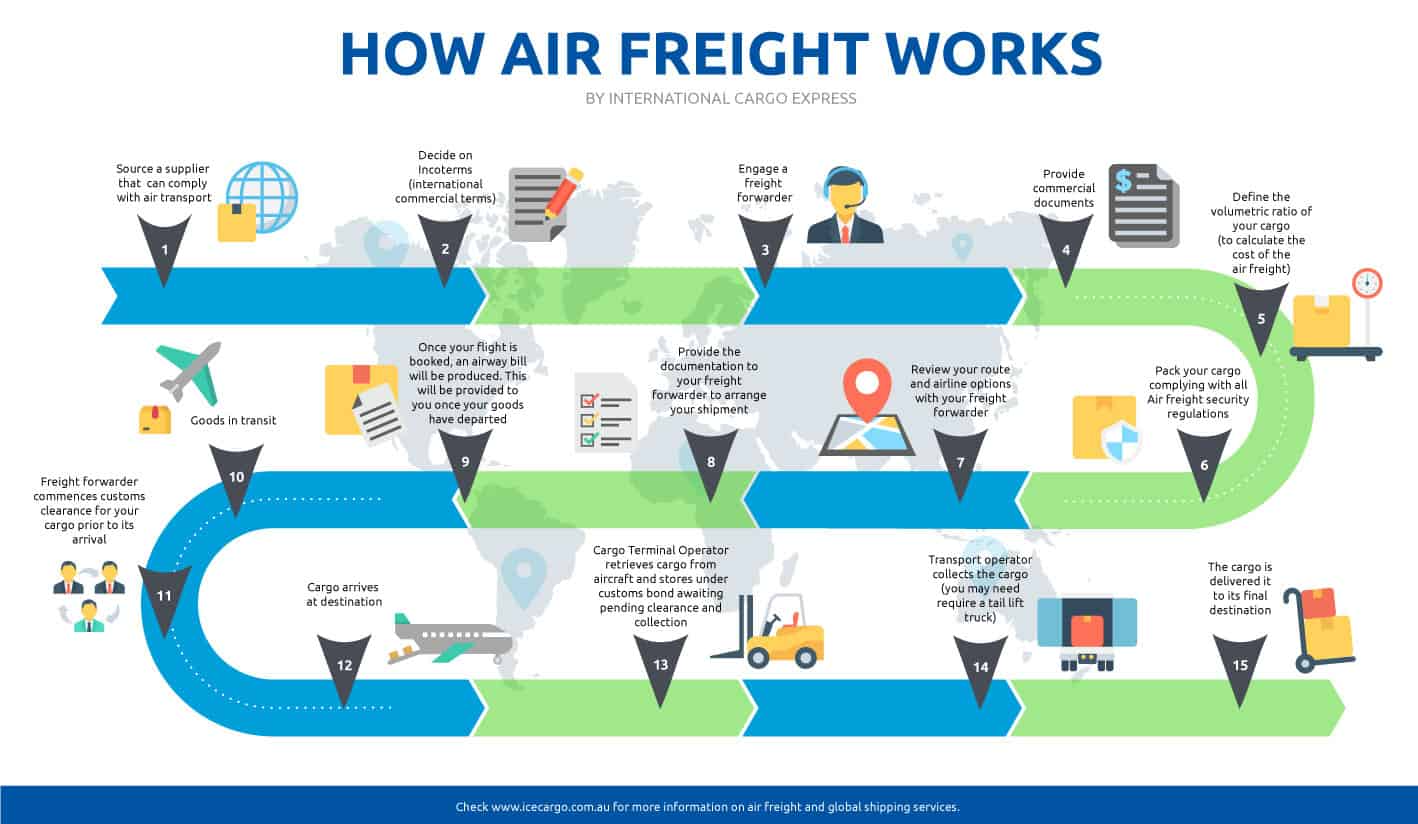
4
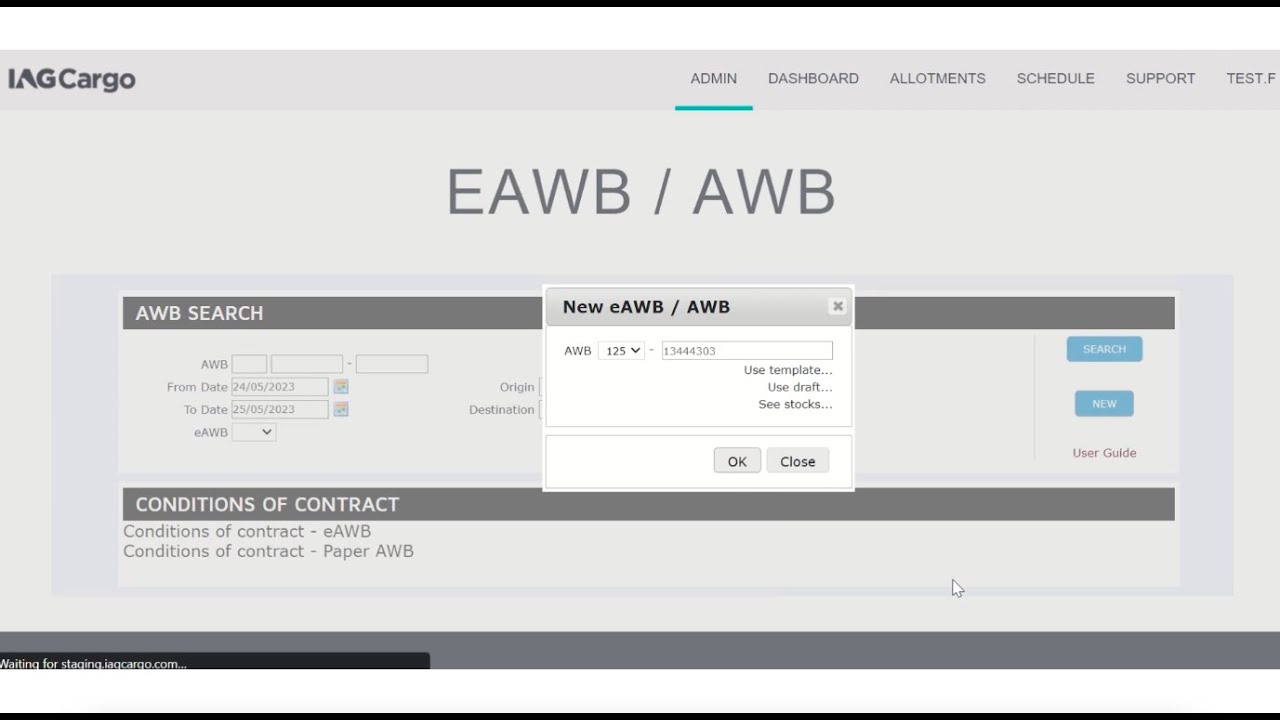
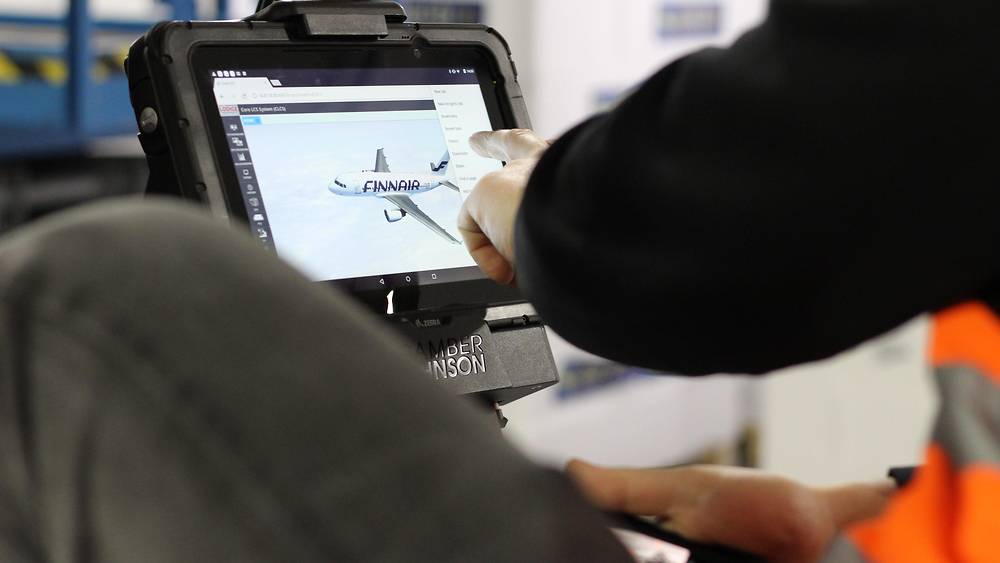
Paper AWBs are rapidly being replaced by electronic AWBs (e-AWBs). This shift brings many advantages:
- ⚡ Faster processing — No waiting for paper copies.
- 💰 Lower costs — Save on printing, shipping, and storage.
- 🧾 Fewer errors — Automated input reduces human mistakes.
- 🛃 Faster customs clearance — Customs can verify AWBs online.
👉 If your company wants to stay competitive, switching to e-AWB is a smart move.
7. Expert Tips to Use AWB More Effectively

4
Here are some practical tips to make AWB handling smooth and efficient:
- Prepare all shipment data in advance.
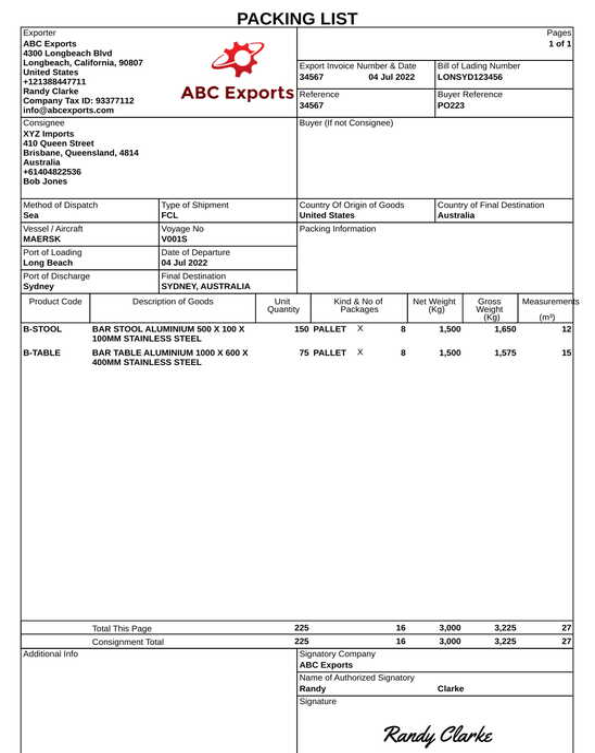
- Ensure AWB matches commercial invoice and packing list.
- Work with experienced freight forwarders or airlines.
- Adopt e-AWB wherever possible.
- Stay updated on regulations and standards.
👉 Remember: an accurate and properly issued AWB can save you days of delays and thousands in costs.
✈️ Final Thoughts: The AWB Is Your Cargo’s “Passport”
The Air Waybill is more than a shipping document. It’s your cargo’s passport to travel across borders — smoothly, legally, and quickly.
When you know how to use it correctly, you gain control over your shipping process and reduce the risk of delays.
👉 If you’d like me to help your business build a standard AWB workflow or create a custom AWB template, drop me a message. I’ll tailor a solution based on your industry and cargo type.